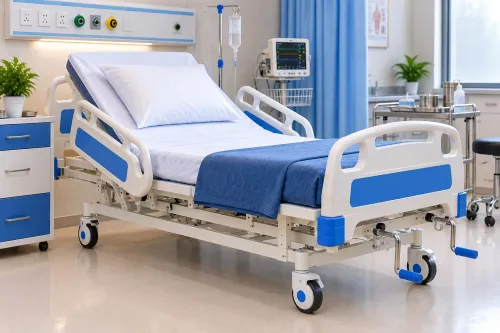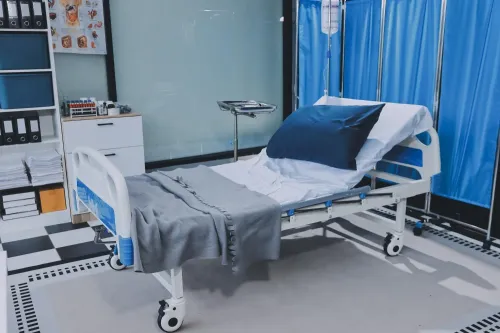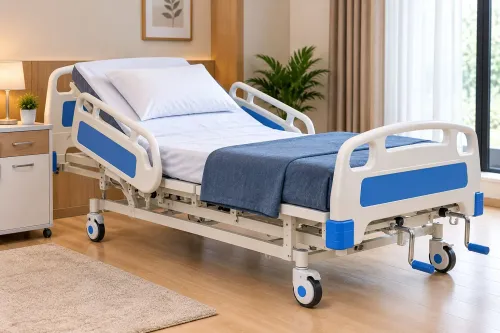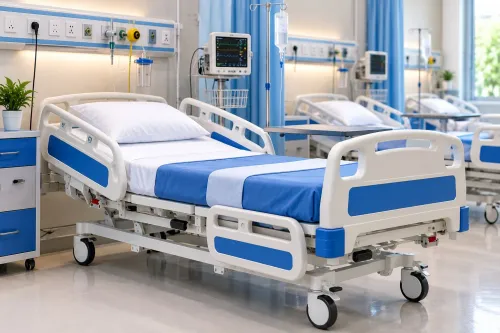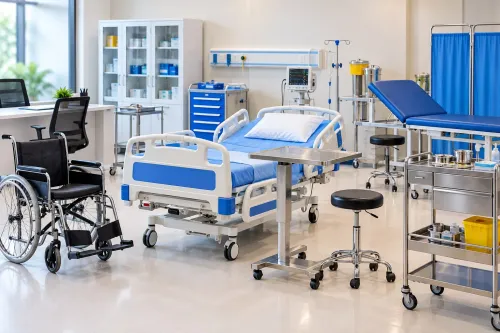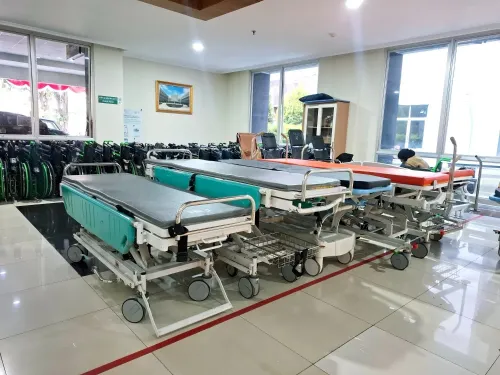
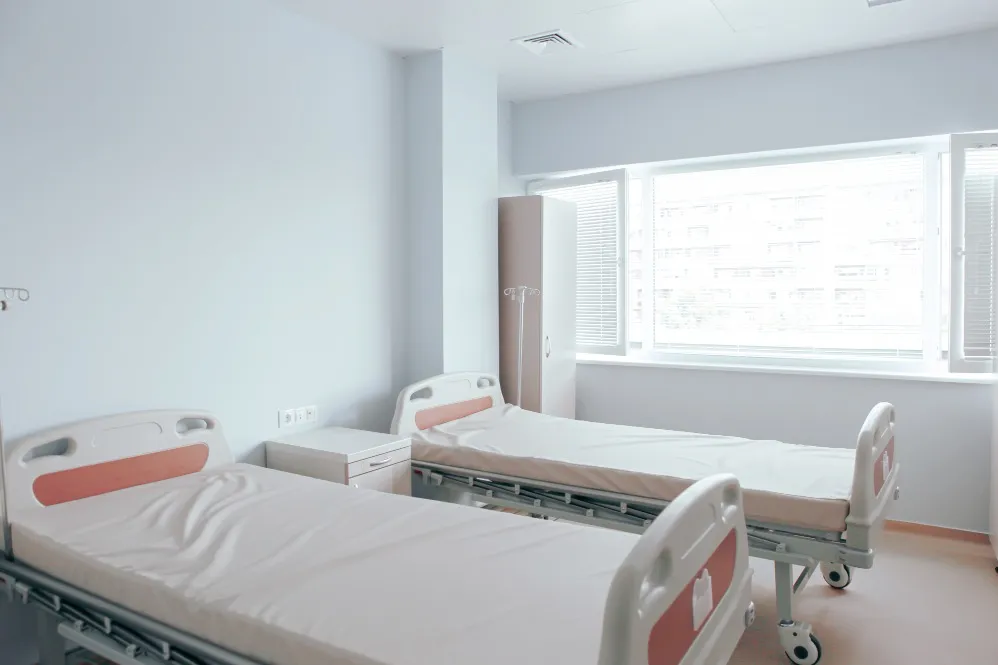
Hospital beds are more than a place for patients to rest. Their design can influence patient positioning, caregiver access, mobility support, hygiene practices, and the overall efficiency of a healthcare facility. For hospitals, nursing homes, rehabilitation centres, and specialty clinics in Chennai, understanding the different types of hospital beds can make equipment planning considerably easier.
Modern hospital beds in Chennai are available in several configurations, ranging from basic manual models to electrically operated beds designed for critical care. The right choice depends on the type of patients being treated, the expected length of stay, available space, and the level of clinical support required.
Common Types of Hospital Beds
Healthcare facilities typically choose from several categories:
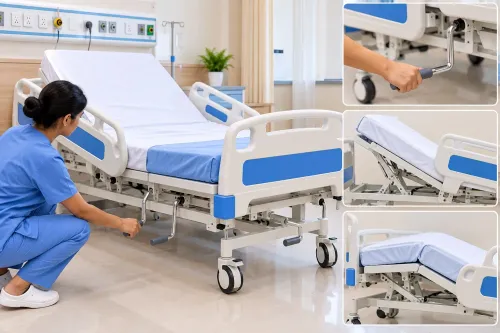
- Manual hospital beds: Adjustments are made mechanically and can be suitable for general wards and facilities with straightforward patient-care requirements.
- Semi-electric beds: These combine manual and powered functions, offering additional convenience without requiring every movement to be electrically controlled.
- Fully electric beds: Motorized adjustment allows caregivers or patients to modify different bed positions more conveniently.
- ICU beds: Designed for critical-care environments where positioning, monitoring access, mobility, and emergency response are particularly important.
- Fowler beds: Frequently used when patients need adjustable backrest and knee-rest positioning.
The appropriate model depends on clinical use rather than simply the number of features available.
Why Bed Design Matters
A hospital bed needs to support both the patient and the healthcare team. Adjustable positioning may help caregivers perform routine activities while reducing unnecessary manual handling. Side rails can provide additional protection, while suitable castors make movement within the facility easier.
Other practical considerations include:
- Ease of cleaning and disinfection
- Mattress platform construction
- Stability during patient transfer
- Braking mechanisms
- Safe working load
- Accessibility for caregivers
- Compatibility with mattresses and accessories
These factors become particularly important in busy hospitals where beds are used continuously.
Consider Chennai’s Healthcare Environment
Chennai is one of Tamil Nadu's major healthcare centres, with facilities ranging from small clinics and nursing homes to multispeciality and tertiary-care hospitals. Equipment requirements therefore vary significantly.
A smaller nursing facility may prioritize dependable manual beds that are easy to maintain. A critical-care unit may require electrically adjustable beds with additional positioning capabilities and accessory provisions.
Climate and maintenance conditions should also be considered. Surfaces, coatings, components, and moving mechanisms should be selected with regular cleaning and long-term institutional use in mind.
Manufacturers such as Optimal Aid India serve this broader requirement by supplying hospital furniture intended for different healthcare environments.
Before selecting any bed, healthcare administrators should define the clinical purpose, expected patient profile, required adjustments, room dimensions, cleaning protocols, and maintenance capabilities. A well-matched hospital bed supports smoother daily operations and creates a more practical environment for both patients and caregivers.
Keywords