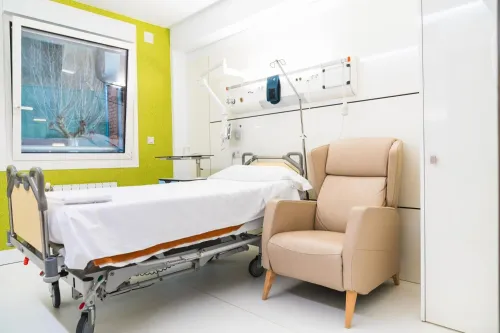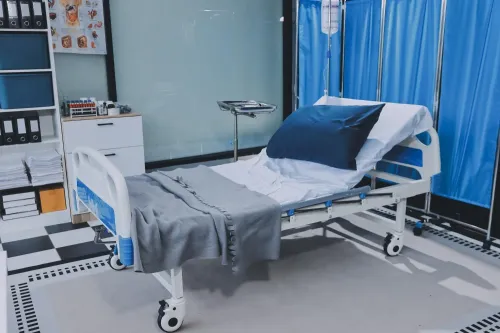
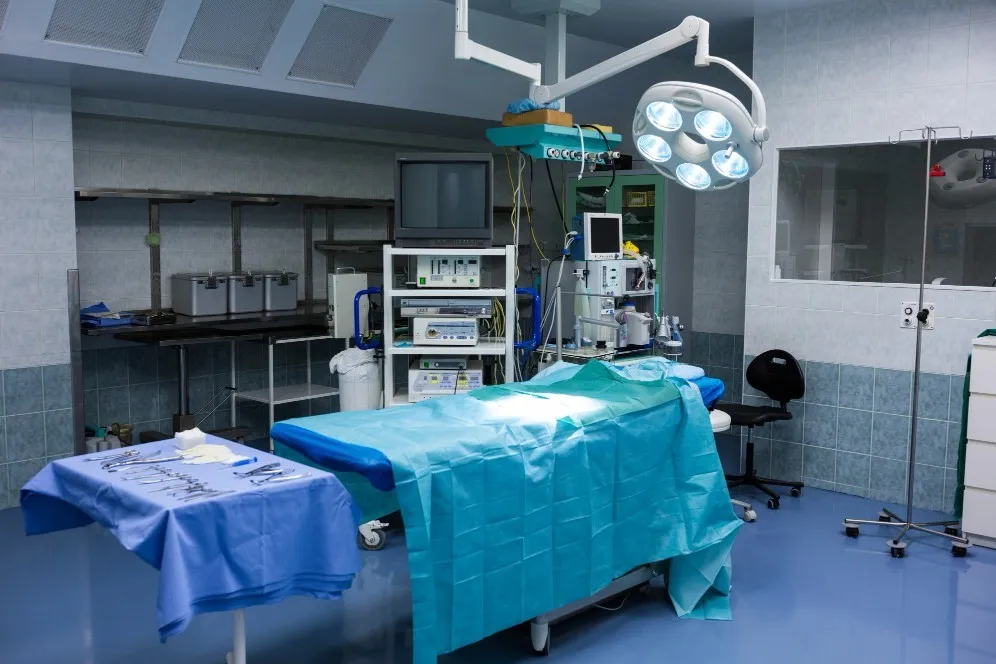
An operation theatre table is a central part of the surgical environment. Surgeons and theatre teams depend on appropriate patient positioning, accessibility, stability, and controlled adjustment throughout procedures. Choosing an unsuitable table can complicate workflow even when the rest of the operation theatre is well equipped.
Healthcare institutions evaluating OT tables in Chennai should compare products according to their surgical applications rather than relying only on price or the number of available adjustments.
Begin With the Type of Surgery
A facility performing primarily general surgical procedures may have different table requirements from an orthopaedic, gynecological, urological, or multispeciality surgical centre.
Before evaluating models, identify:
- Surgical specialties
- Typical patient positioning
- Required table movements
- Imaging requirements where relevant
- Accessory requirements
- Expected operating load
- Frequency of use
This establishes a functional baseline for comparison.
Examine Positioning Capabilities
Depending on the table configuration, positioning may include height adjustment, back-section movement, Trendelenburg and reverse Trendelenburg positions, lateral tilt, and adjustment of leg or head sections.
Not every facility requires every possible function. The important question is whether the available movements correspond with the procedures performed by the surgical team.
Controls should also be considered. Manual, hydraulic, electro-hydraulic, and electrically operated designs can offer different operational experiences and maintenance requirements.
Stability and Accessibility Are Essential
An OT table must remain stable while allowing the surgical team suitable access to the patient.
Base construction, locking arrangements, table dimensions, mattress sections, and accessory mounting options all contribute to practical usability.
Where mobile imaging is part of the surgical workflow, compatibility and access should be discussed before finalizing the table.
Avoid Common Evaluation Mistakes
A few procurement mistakes occur repeatedly:
- Choosing based primarily on initial price
- Ignoring the specialties that will actually use the table
- Failing to confirm required accessories
- Not reviewing room dimensions and movement space
- Overlooking cleaning and maintenance requirements
- Selecting advanced functions that staff are unlikely to use
A more focused specification can provide better long-term value than simply purchasing the most complex model available.
Chennai's healthcare sector includes specialty hospitals, surgical centres, day-care facilities, and multispeciality institutions serving patients from across Tamil Nadu. Consequently, OT requirements can differ substantially from one facility to another.
Optimal Aid India manufactures healthcare equipment and hospital furniture, including solutions intended for operation theatre environments.
Before placing an order, procurement teams should ideally involve surgeons, theatre nurses, biomedical personnel, and administrators in the evaluation. Their combined input helps determine which movements, accessories, dimensions, and operating mechanisms are genuinely necessary.
An OT table should ultimately fit the surgical workflow. When clinical requirements guide selection, healthcare facilities can avoid unnecessary complexity while providing theatre teams with equipment suited to the procedures they perform.
Keywords