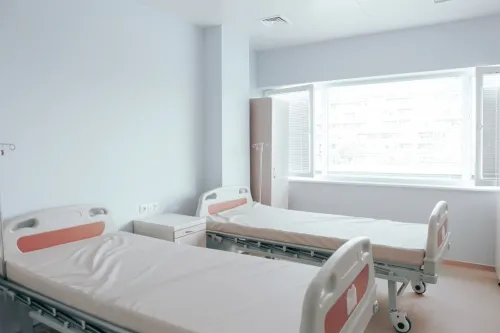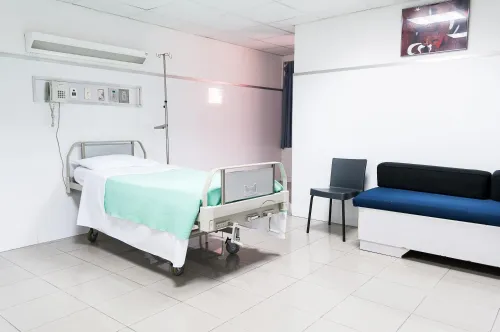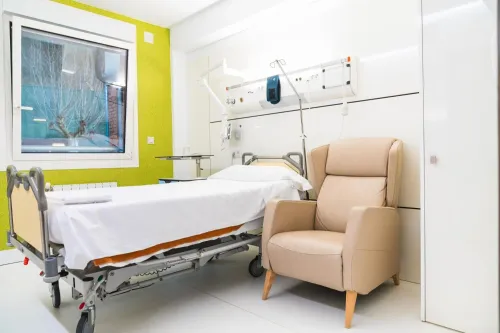

Cleaning a bed is only one part of keeping hospital furniture safe: staff also need to test brakes, rails, mattress barriers, frames, fasteners and electrical functions on a defined schedule. This checklist gives Chennai hospitals a workable daily-to-annual system, including what to record, when to isolate equipment and when a repair is no longer enough.
Key takeaways
- Remove visible soil before applying disinfectant.
- Record dilution, expiry date and wet contact time.
- Test bed brakes, side rails, frames and castors on schedule.
- Isolate furniture with failed brakes, exposed damage or electrical faults.
Daily cleaning, disinfection and contamination response
Remove visible soil before disinfecting: organic matter can weaken the disinfectant and leave a contaminated surface appearing clean. A medical furniture maintenance checklist in Chennai should separate routine cleaning from technical inspection and record the product, dilution or ready-to-use formulation, expiry date and wet contact time.
- Clean high-touch furniture each day and after visible contamination, patient transfer or discharge.
- For semifowler bed cleaning, wipe the headboard and footboard handles, side-rail release points, handset, control buttons, brake pedals, mattress platform, IV-pole fittings, castors and underside of the frame.
- Use the manufacturer-approved detergent or disinfectant. Keep the surface visibly wet for the label’s full contact time; do not wipe it dry immediately.
- Disconnect electrical equipment where instructed, protect mattress foam from soaking, and keep liquid out of handsets, motors, control boxes, connectors, crank mechanisms and actuator housings.
- Never mix disinfectants. Chlorine combined with acid or ammonia can release hazardous gas; use labelled containers, ventilation and the specified gloves and eye protection.
- After a body-fluid spill, restrict access, wear PPE, remove the soil with disposable absorbent material, then apply the labelled disinfectant for its full contact time.
- Bag contaminated linen and waste according to hospital policy, clean reusable tools, wash hands and report exposure or equipment damage.
Isolate the bed if fluid has entered electrical or mechanical parts, the mattress cover is torn, or cleaning cannot remove contamination. Record the spill, affected item, product used and return-to-service check; disinfection does not replace repair.
Weekly checks for beds, mattresses and side rails
Before a bed is assigned each week, test it as a working device, not just as a clean surface. A loose fastener, split mattress cover or rail that appears locked can injure a patient or interrupt care.
Inspect the mattress separately from the bed. Look for tears, open seams, punctures, flattened support, exposed foam, fluid penetration, mould, odour and a cover that no longer fits tightly. Do not return a mattress with damaged waterproofing to service; internal contamination cannot be corrected by wiping.
Check these points and record each pass or failure:
- Bed frame, welds, headboard and footboard: no cracks, bends, sharp edges, loose panels or missing screws.
- Side rails: each rail must raise fully, latch without excessive force, release only through its intended mechanism and remain rigid when pulled. Check for trapped clothing or unsafe gaps.
- Mattress platform and moving sections: no protruding metal, trapped cables, abnormal noise or jerky movement.
- Handset, crank or control buttons: every intended bed movement must start, stop and hold position without delay.
- Brakes and castors: the bed must remain stationary when brakes are applied and move without striking the frame or floor.
- Accessories: IV-pole sockets, drainage-bag hooks and oxygen-cylinder holders must be secure and free of sharp damage.
| Finding | Immediate risk | Record and response |
|---|---|---|
| Broken rail latch or unstable rail | Fall or entrapment | Tag the bed out and arrange repair |
| Torn, wet or contaminated mattress cover | Infection or pressure injury | Remove mattress from use |
| Bed movement stops or overshoots | Transfer or positioning injury | Isolate pending competent inspection |
Cleaning is not inspection. For hospital furniture care in Chennai, keep separate weekly records for defects, repairs and the person who released the bed.
Monthly and quarterly checks for castors, frames and upholstery
Control wheel movement every month, then inspect structural wear in greater depth each quarter. This is core medical furniture upkeep in Chennai’s humid, salt-laden environment, where damp residue and undiluted chlorine can accelerate corrosion.
| Monthly task | Check | Pass condition |
|---|---|---|
| Castors and brakes | Inspect each wheel, bracket and brake; test with the bed unloaded and loaded as the manufacturer instructs | Every specified wheel locks, the bed does not creep during transfer, and each pedal returns fully |
| Frames and hardware | Check bolts, nuts, fasteners, bed-frame joints and crank fittings; tighten to the manufacturer’s torque specification | No looseness, movement, sharp edge or missing hardware |
| Upholstery | Examine mattress covers, seams, corners and chair or stretcher upholstery | No tear, split seam, exposed foam, compressed area or liquid penetration |
Quarterly, inspect welds, castor brackets, actuator mounts, electrical contacts and exposed steel for rust or pitting. Remove salt, disinfectant residue and soil with manufacturer-approved chemistry, rinse where the instructions require it, and dry the equipment fully. Surface rust is not cosmetic if it affects a brake, side-rail mount, actuator support or load-bearing joint.
Record the asset ID, ward, location, date, inspector, defects, risk classification, corrective action and replacement parts. Isolate furniture with a weakened frame, failed brake or exposed foam until repair staff approve its return; do not hide corrosion under fresh paint.
Annual technical servicing, electrical safety and maintenance records
A medical furniture maintenance checklist in Chennai should schedule a competent technical inspection at least once a year, separately from routine cleaning and staff checks. Use biomedical or electrical personnel, not cleaning staff, for powered beds, electric cots, recliner chairs, lifting accessories and any furniture connected to mains electricity.
The annual inspection should cover:
- Mains lead, plug, fuse, strain relief and exposed conductors
- Protective conductor and earth continuity
- Leakage-current safety testing where applicable
- Battery condition, charger function and battery-backup operation
- Actuator, handset, control panel and emergency-lowering operation
- Bed-frame joints, welds, fasteners, castor brackets and rail mechanisms
- Rust or pitting affecting an actuator mount, brake, rail or load-bearing joint
Liquid entering a control box, damaged insulation, an exposed conductor or failed earth-continuity test requires immediate withdrawal from service. Do not return the item after a visual fix alone; record the repair and repeat the relevant safety test.
Retain one service record for each asset, using its bed number, serial number or barcode. The record should show:
- Inspection date, inspector’s name, employer and competence
- Equipment identification, location and operating hours where tracked
- Test results, instrument identification and calibration due date
- Defects found, risk decision and parts replaced
- Repair completion date, test outcome and next service due date
Keep the manufacturer’s instructions, electrical test report, work order and invoices with the record. A signed tick in a cleaning log cannot prove that technical safety was checked.
When to isolate, repair or replace hospital furniture
A defect that could injure a patient, spread contamination or cause uncontrolled movement means immediate isolation. Attach an “out of service” tag, move the item away from patients, and record the asset ID, ward, location, date, inspector and defect.
- Isolate: use this class for a cracked rail, failed brake, exposed wiring, unstable frame, sharp edge, torn mattress cover, fluid penetration, pitted load-bearing joint or a bed whose combined load exceeds the manufacturer’s limit. Count the patient, mattress, overlay, pump, traction equipment, monitors and bedding—not body weight alone.
- Repair: use this class when the frame remains sound and an approved replacement can restore safe function, such as a castor, fastener, handset, brake pedal, rail latch or actuator mount. Do not release it after a temporary tie, improvised weld or incompatible part.
- Replace: choose this class when corrosion has weakened a weld or load-bearing joint, the mattress foam is contaminated or deformed, the cover cannot be sealed, or repeated repairs fail. Surface rust is not cosmetic if it affects a brake, rail or mount.
For hospital furniture care in Chennai, inspect salt residue, rust and pitting after cleaning; remove residue, dry the item and replace weakened steel. Medical furniture upkeep records should include disinfectant, dilution, wet contact time, parts fitted, corrective action and named return-to-service approval. “Cleaned” or “OK” is not traceability.
Before release, test brakes, rails, backrest movement, electrical controls and stability. For a bed supplied by Optimal Aid India, obtain the stated load limit and compatible-part guidance before approving a repair.
Related product
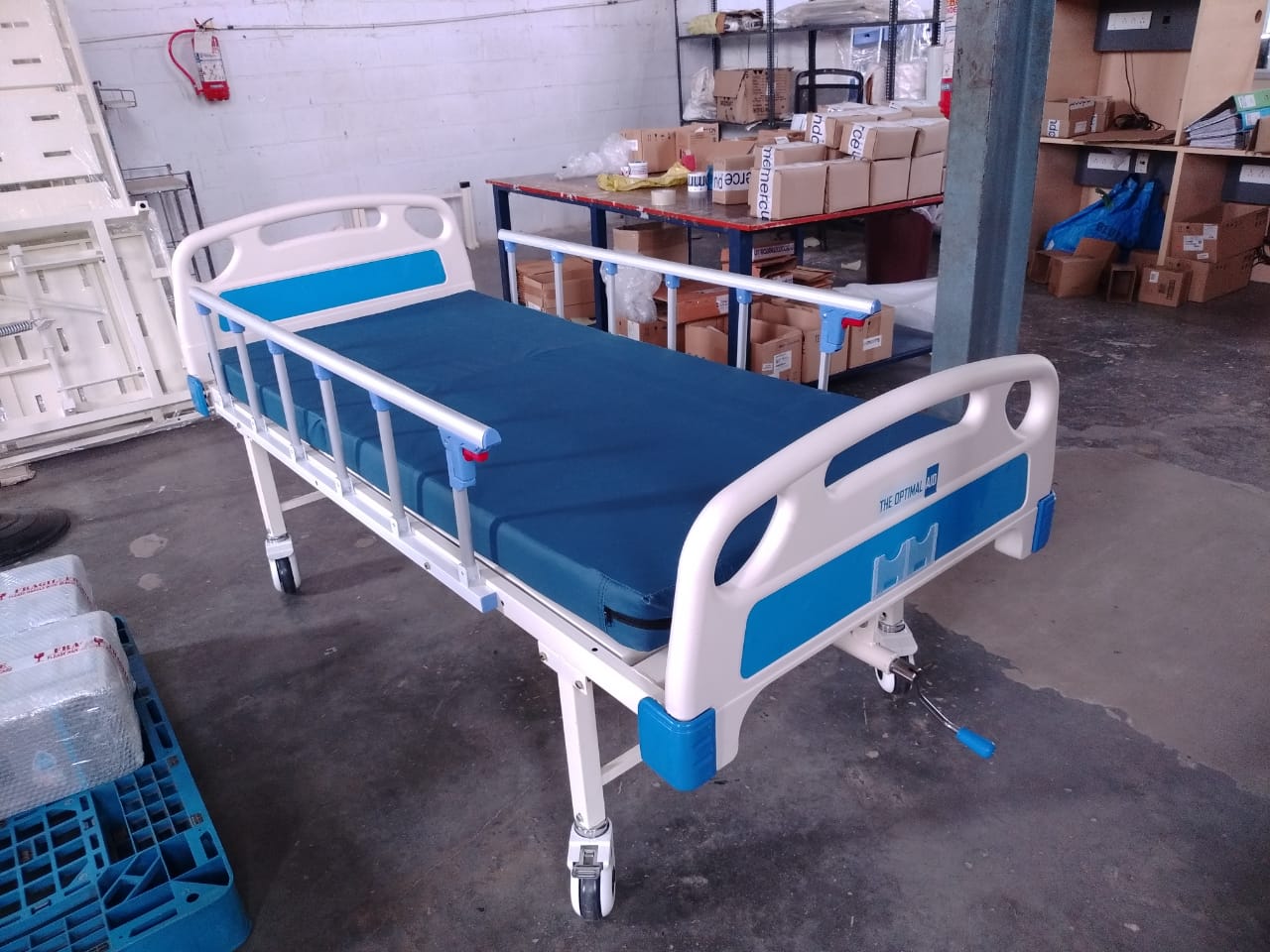 | Cot Series Semi Flowler Cot Deluxe Wheel Leg Manual Semi Flowler Cot Deluxe Wheel Leg Manual In Chennai. We wre one of the Leading and best quality manufacturer of Hospital Furniture In chennai and we... View product → |
Frequently asked questions
What should you record during daily hospital furniture cleaning?
Record the product name, dilution or ready-to-use formulation, expiry date and wet contact time. Remove visible soil before disinfection and document contamination-response cleaning.
How often should hospital beds, mattresses and side rails be checked?
Check beds, mattresses and side rails weekly for loose fasteners, damaged covers, fluid ingress, unsafe movement and cleaning defects. Remove damaged items from use.
What should monthly and quarterly furniture inspections cover?
Inspect castors, brakes, frames, upholstery, joints and moving parts. Look for cracked welds, corrosion, torn upholstery, exposed foam and castors that do not roll or lock correctly.
When should you isolate or replace hospital furniture?
Isolate furniture with failed brakes, unstable frames, damaged electrical parts, exposed padding, fluid ingress or side rails that do not latch. Repair it when a documented fix restores safe operation; replace it when structural or hygienic damage remains.
Keywords