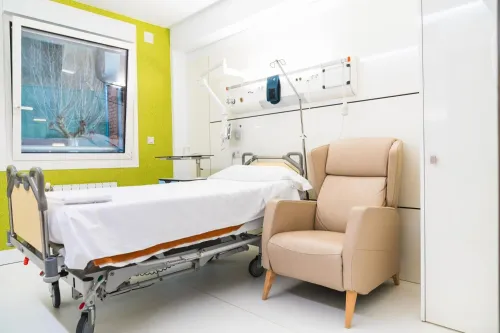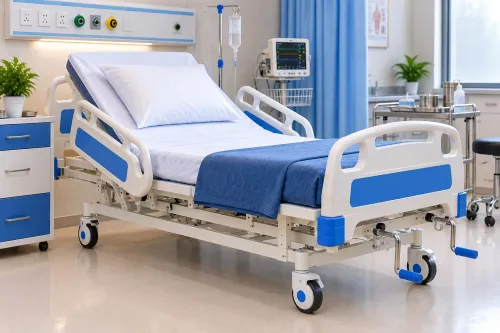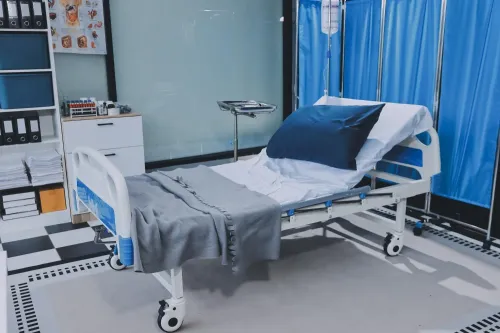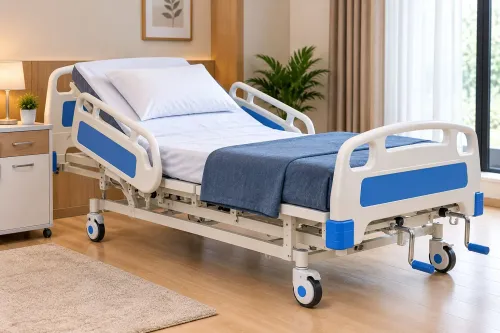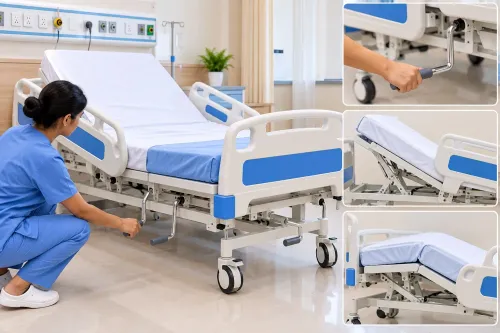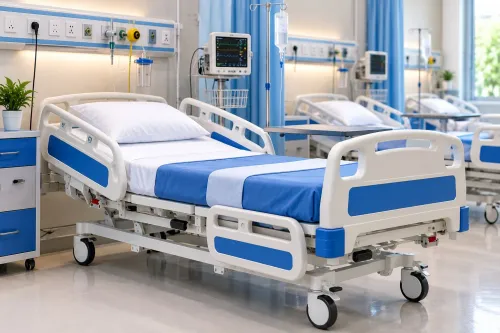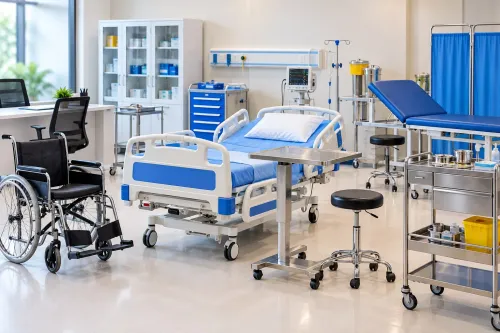
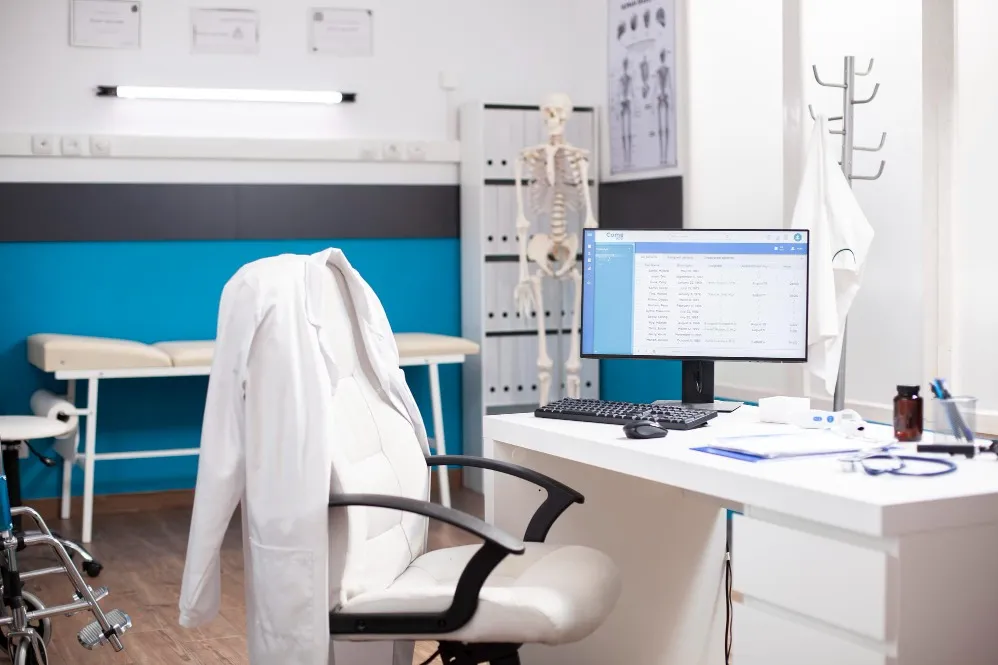
Setting up a healthcare facility requires more than selecting medical devices. Furniture determines how comfortably staff can work, how easily patients can be moved, how efficiently rooms are organized, and how effectively routine cleaning can be performed. This makes medical furniture in Chennai an important planning consideration for hospitals, clinics, diagnostic centres, nursing homes, and rehabilitation facilities.
Medical furniture differs from ordinary commercial furniture because it is intended for environments where hygiene, accessibility, durability, mobility, and patient safety need constant attention.
What Comes Under Medical Furniture?
The category can include a broad range of products, such as:
- Hospital beds
- Examination tables and couches
- Bedside lockers
- Overbed tables
- Patient stools and chairs
- Hospital trolleys
- Stretchers
- Instrument tables
- Ward furniture
- Storage units
- Treatment-room furniture
Each item performs a specific function, so selecting furniture simply on appearance or initial price can create practical problems later.
Start With the Clinical Workflow
One of the most useful approaches is to study how people and materials will move through each department.
An examination room, for example, requires enough space around the examination table for the doctor or nurse to work comfortably. A ward requires suitable clearance around beds for patient care, housekeeping, and movement. Procedure areas may need mobile furniture that can be repositioned quickly.
Healthcare administrators should therefore consider:
- Who will use the furniture?
- How frequently will it be used?
- Does it need to move between rooms?
- How will surfaces be cleaned?
- What weight and operational load will it handle?
- Are replacement components likely to be required?
These questions help narrow the choices considerably.
Materials and Construction Matter
Healthcare furniture is routinely exposed to cleaning, movement, repeated handling, and demanding institutional use. Construction quality therefore deserves close attention.
Smooth surfaces can simplify cleaning. Stable frames can improve usability, while appropriately designed castors and braking systems matter for mobile equipment. Corners, joints, handles, adjustment mechanisms, and storage areas should also be evaluated from a practical maintenance perspective.
In Chennai and across Tamil Nadu, healthcare facilities operate at very different scales. A compact specialty clinic may require a limited furniture package, while a new hospital project may need standardized furniture across several departments.
Optimal Aid India manufactures healthcare furniture for institutional applications, giving buyers an option to evaluate products according to their departmental requirements.
Effective furniture planning begins with workflow rather than a catalogue. Map each department, identify essential activities, measure available space, determine mobility requirements, and then select products accordingly. This approach helps create a healthcare environment where furniture supports daily clinical work instead of becoming an operational obstacle.
Keywords