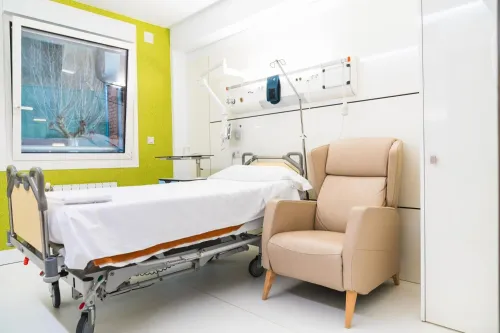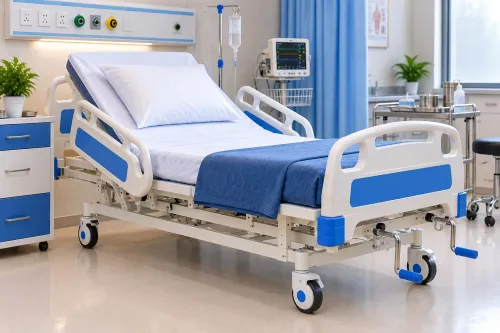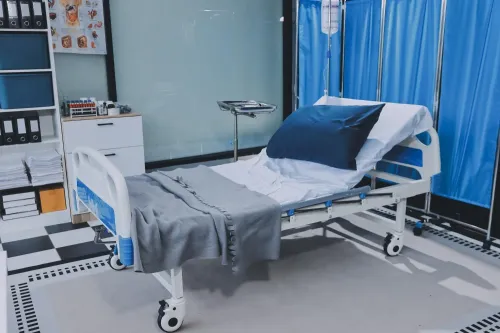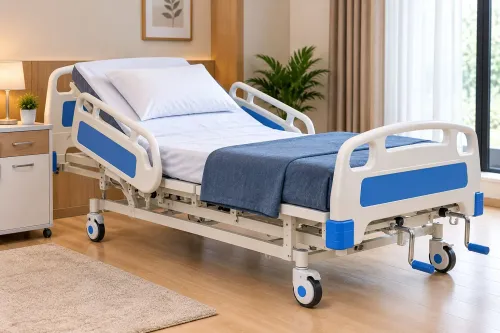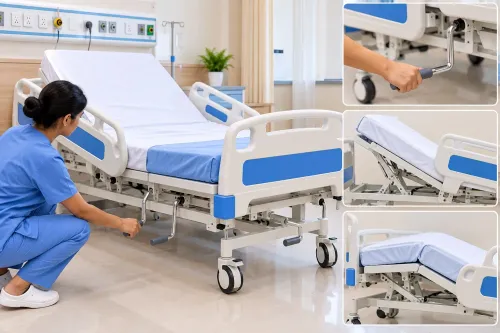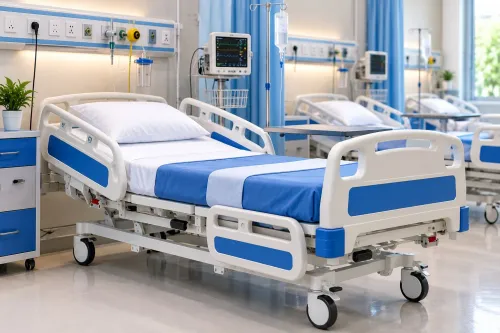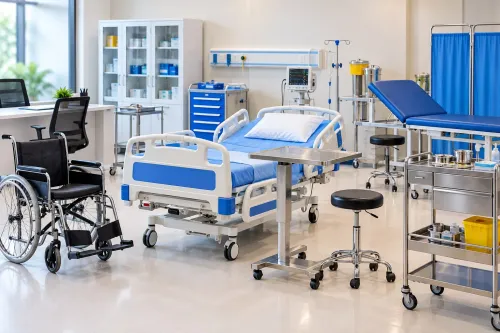
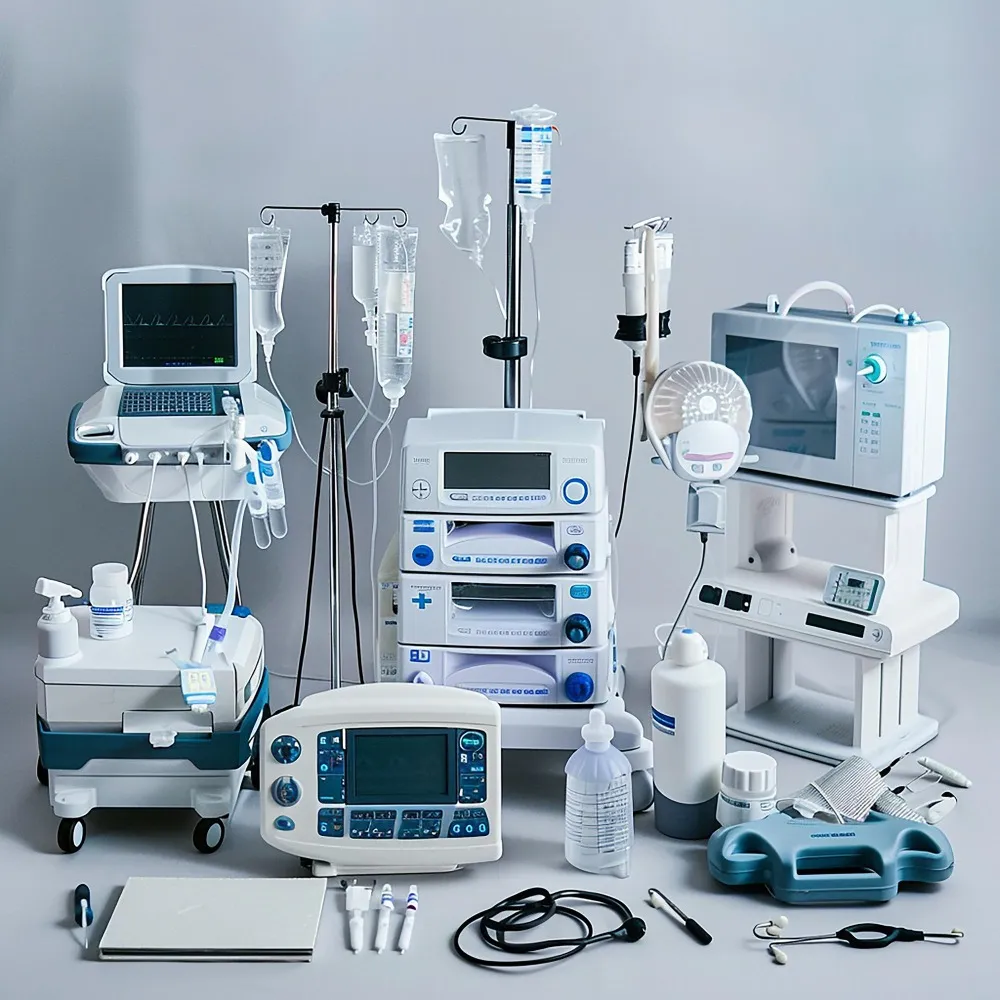
Opening or expanding a healthcare facility involves dozens of purchasing decisions, and medical equipment is one of the most important categories to plan correctly. Different departments have different clinical and operational requirements, making a structured equipment plan essential before procurement begins.
For healthcare projects evaluating medical equipment in Chennai, the starting point should be the services the facility intends to provide rather than a generic list of products.
Build Requirements Department by Department
A general hospital, specialty clinic, diagnostic centre, surgical facility, and nursing home will not need identical equipment.
A useful planning process divides requirements into areas such as:
- Reception and patient assessment
- General wards
- Emergency department
- Intensive care
- Operation theatre
- Consultation rooms
- Treatment and procedure rooms
- Patient transportation
- Sterilization and storage
Once departments are mapped, administrators can determine which equipment is essential from day one and which items can be introduced as services expand.
Look Beyond the Product Name
Two pieces of equipment within the same category may differ substantially in construction, controls, mobility, dimensions, accessories, and intended application.
Before selecting equipment, review practical factors including:
Clinical application: Determine exactly how and where the equipment will be used.
Available space: Large equipment can interfere with movement if room dimensions and clearances have not been considered.
User requirements: Doctors, nurses, technicians, and housekeeping personnel may have different operational concerns.
Cleaning requirements: Equipment used around patients should be suitable for the facility's established hygiene and disinfection processes.
Maintenance: Consider accessibility of components and the availability of appropriate service support.
Consider Equipment Integration
Medical equipment rarely operates in isolation. A hospital bed may need compatible accessories. An OT table must fit the intended surgical workflow. A trolley needs to move through corridors, doors, and lifts without difficulty.
This is why equipment planning should be coordinated with architectural and clinical teams wherever possible.
For projects in Chennai, this becomes especially relevant because healthcare facilities in Tamil Nadu range from compact urban clinics to large institutional campuses. Available floor area, patient volume, department specialization, and infrastructure can all influence equipment choices.
Manufacturers such as Optimal Aid India cater to healthcare institutions looking at medical equipment and associated hospital furniture requirements.
Create a Practical Procurement Checklist
Before finalizing an equipment requirement, document:
- Department and intended use
- Required quantity
- Product dimensions
- Functional requirements
- Electrical requirements where applicable
- Mobility and locking requirements
- Accessory requirements
- Cleaning considerations
- Installation requirements
- Maintenance expectations
A detailed specification reduces ambiguity during procurement and makes different options easier to evaluate.
For a new healthcare facility, successful equipment planning is ultimately about matching clinical requirements with infrastructure and workflow. Starting with departmental needs rather than individual products creates a clearer, more efficient procurement process and helps avoid expensive changes after the facility becomes operational.
Keywords